
Gas Ducted Heating vs Electric Systems: How Much Can You Save in Victoria?
Gas Ducted Heating vs Electric Systems: How Much Can You Save in Victoria?
With rising gas prices and strong government incentives, many Victorian homeowners are asking an important question: Is it worth switching from gas ducted heating to electric systems like multi-split or ducted reverse cycle?
The short answer — yes, and the savings can be significant.
Why Homeowners Are Moving Away from Gas
For years, gas ducted heating was the go-to solution across Victoria. It provided fast, whole-home heating and was relatively affordable.
However, things have changed.
Gas prices have increased significantly, while modern electric systems—especially reverse cycle air conditioning—have become far more efficient. Today, electric systems can achieve 300%–600% efficiency, compared to gas systems that typically operate at 90%–95% efficiency.
This shift in efficiency is a key reason why electric heating is now often cheaper to run.
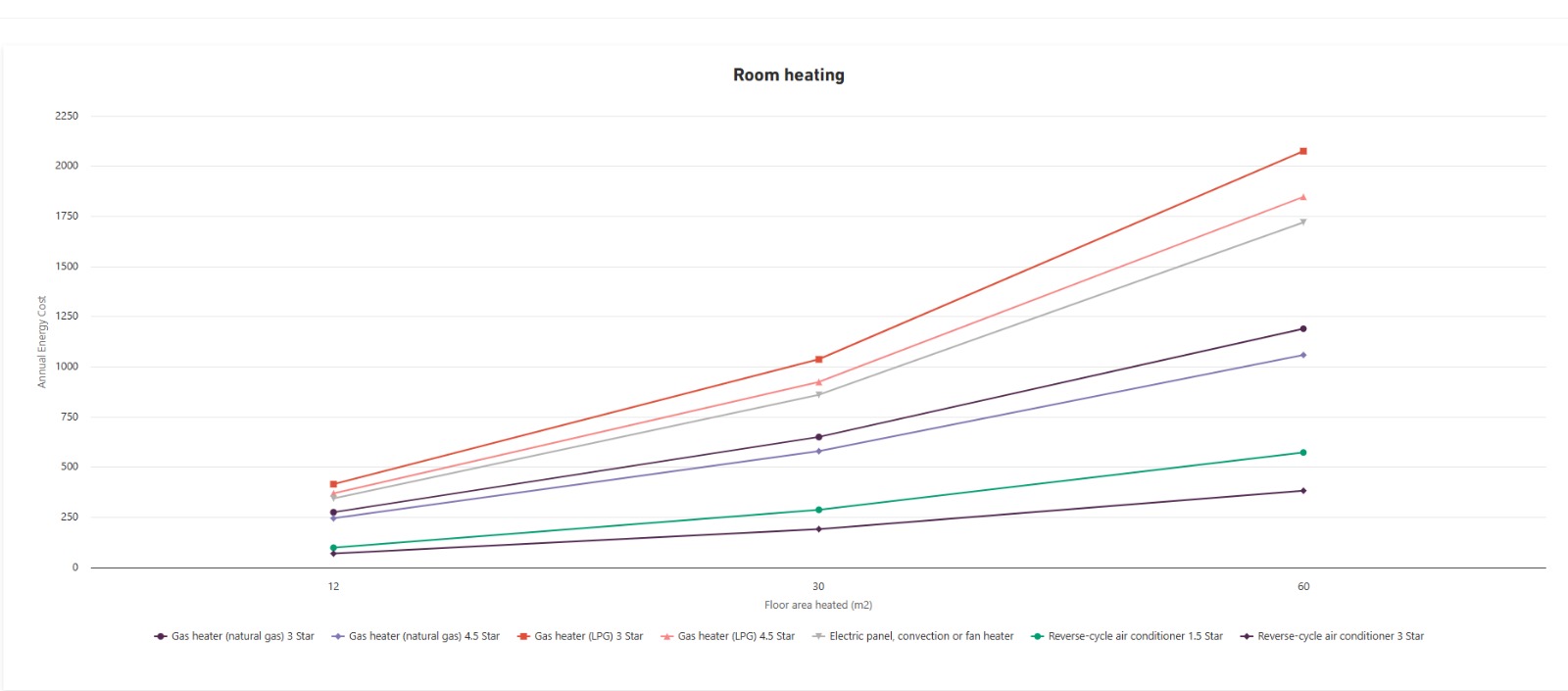
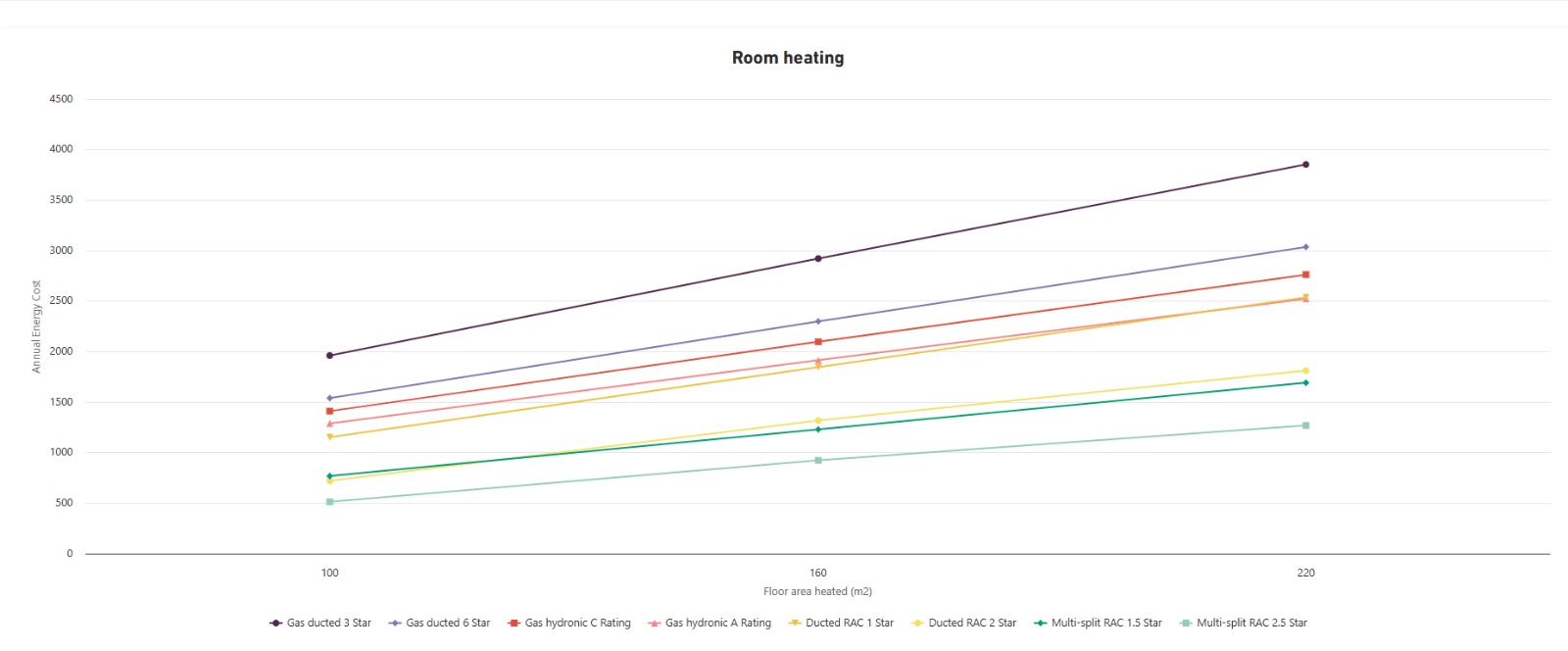
Annual Running Cost Comparison
For a typical Melbourne household:
- Gas Ducted Heating: $1,200 – $1,800 per year
- Electric Ducted (Reverse Cycle): $350 – $500 per year
- Multi-Split System: $300 – $450 per year
This means switching to electric can reduce heating costs by 60%–75%.
On average, households save around $800–$1,300 annually, with some estimates ranging from $400 up to $1,500+, depending on usage and energy tariffs.
Realistic Yearly Savings
Based on real-world data, here’s what most Victorian households can expect:
- Low Estimate: ~$400 per year
- Typical Savings: $800 – $1,500 per year
- High Usage Homes: $1,500 – $2,500+ per year
Additional Savings Opportunities:
- Gas supply charge removal: ~$300–$400/year
- Solar integration: Can reduce heating costs by up to 90%
Multi-Split vs Ducted Electric: Which Saves More?
Multi-Split Systems
- Lower upfront cost
- Highest efficiency when heating selected rooms
- Ideal for zoned living
👉 Potential savings: Up to 75%
Ducted Reverse Cycle Systems
- Whole-home comfort similar to gas ducted
- Slightly higher running cost than multi-split
- Still significantly cheaper than gas
👉 Typical savings: 60%–70%
Victorian Government Rebates (Up to $9,000+)
The Victorian Energy Upgrades (VEU) program is accelerating the shift to electric systems.
Depending on your eligibility:
- Multi-split and ducted systems can receive rebates up to $9,000+
- Total support (with other upgrades) can exceed $10,000
These incentives significantly reduce upfront costs—often making electric systems cost-neutral or cheaper than replacing gas.
Benefits Beyond Cost Savings
Switching to electric systems offers more than just lower bills:
- Heating and cooling in one system
- Lower carbon emissions
- No gas leaks or combustion risks
- Future-proof against gas phase-out policies
- Improved indoor air quality and comfort
Victoria is already moving toward all-electric homes, making this transition a smart long-term decision.
Final Verdict: Is It Worth Switching?
For most Victorian homeowners, the answer is clear:
- ✔ Electric heating is cheaper to run
- ✔ You can save $800–$1,500+ per year
- ✔ Government rebates make switching more affordable than ever
If your gas ducted system is aging or due for replacement, upgrading to a multi-split or ducted reverse cycle system is one of the smartest investments you can make.
Want to Know Your Exact Savings?
Every home is different.
To understand exactly how much you can save based on your home, usage, and system type, enquire with us today. Our specialists will assess your situation and provide a clear breakdown of your potential savings.
Key Takeaway
Switching from gas ducted heating to electric systems can reduce your heating costs by up to 70%, save you over $1,000 per year, and unlock thousands in government rebates—making it both a financially smart and future-proof decision.
